
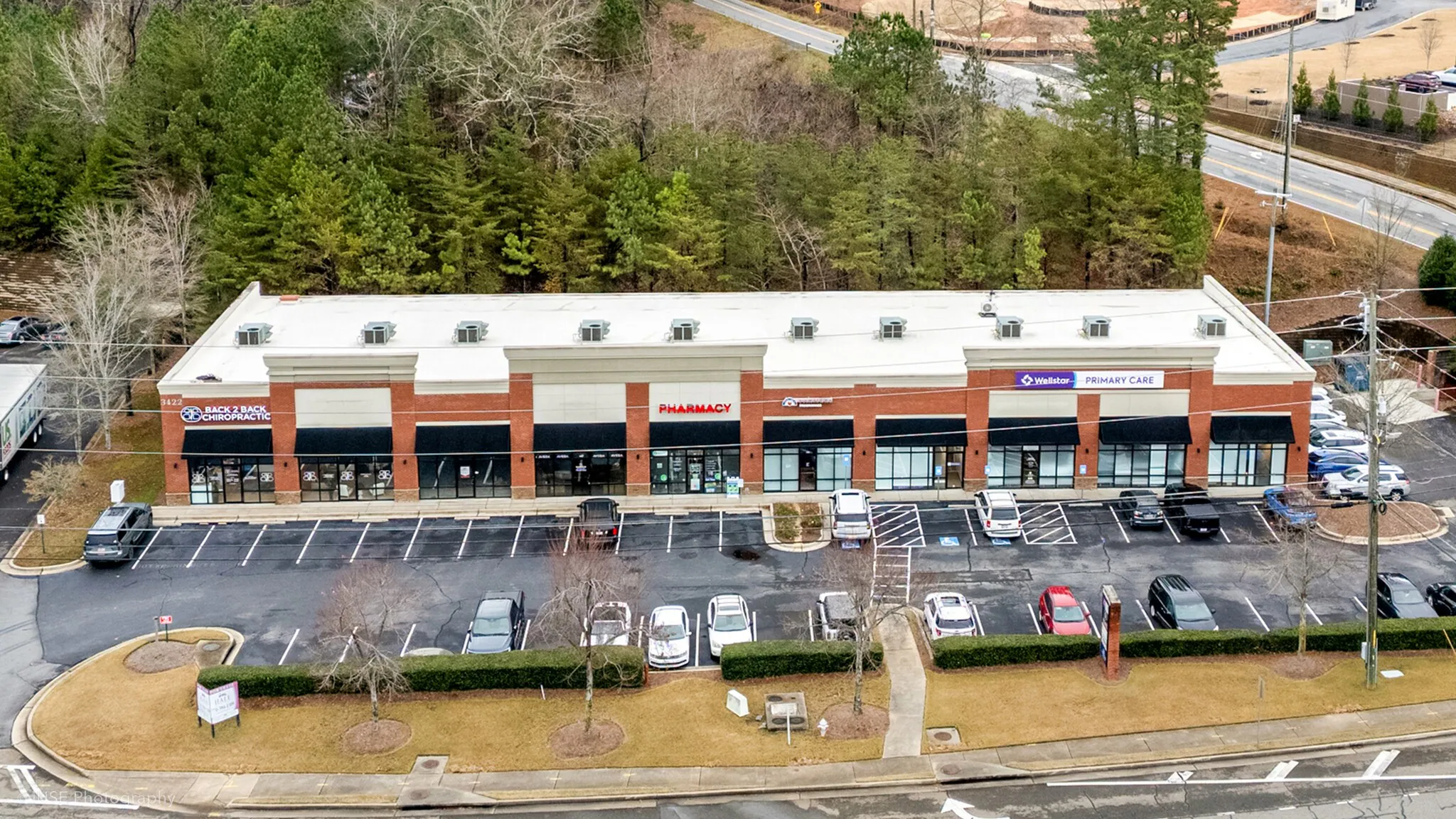
Retail and Shopping Center Roofing roof planning built from the roof condition.
Commercial roof scope, documentation, access planning, and weather-aware scheduling for acrylic roof coatings.
Washington, DC's retail property landscape ranges from the Georgetown shopping district and CityCenterDC to the dense corridor retail along Connecticut Avenue and Wisconsin Avenue NW, the mixed-use projects reshaping NoMa and the Capitol Riverfront, and the regional mall anchors at Tysons Corner and Springfield just across the jurisdiction lines. What binds every commercial rooftop in this market is a regulatory environment and institutional ownership culture that sets standards well above what many regional markets require. A national REIT managing a DC-area retail asset expects documentation, certifications, and quality standards that match what they receive on their Manhattan or Chicago properties.
DC's urban density and historic preservation overlay zones create roofing project conditions with no equivalent in suburban markets. Retail buildings in Georgetown and the historic commercial districts along Pennsylvania Avenue SE operate under DC Historic Preservation Office review, which can limit the parapet height changes, equipment additions, and visible rooftop modifications that are standard practice elsewhere. We are experienced with DCOP review submissions and know which roofing improvements — tapered insulation systems, drain modifications, equipment curb raising — require prior approval versus those that qualify as maintenance repairs below the review threshold.
The Mid-Atlantic climate presents a genuine four-season challenge for DC retail roofs. Polar vortex events have pushed January temperatures to single digits, while July heat index values regularly exceed 100°F, and the region's position in the Atlantic hurricane track brings both direct storm impacts and nor'easters that drive wind-driven rain horizontally against parapets and through poorly detailed equipment penetrations. The roofing system appropriate for this climate manages ice formation in winter, thermal expansion in summer, and wind-driven water intrusion in storms — with none of those requirements able to be treated as a secondary concern.
PVC membrane roofing has found a strong market among DC-area retail property owners managing LEED-certified or green building program assets. PVC's recyclability, combined with its long service life and white reflective surface, supports the sustainability documentation required by some institutional owners and tenants. Several of the LEED-certified retail buildings in the Capitol Riverfront development area and the Wharf waterfront district have PVC roofs specified in part for the documentation credit they provide. We maintain PVC installation certification and carry current third-party recycling program registrations for end-of-life membrane management.
Retail penetration management in DC is complicated by building density and the frequency with which tenants modify their spaces without coordinating with roofing contractors. A restaurant on 14th Street NW that installs a new kitchen hood exhaust system through a roof that carries a manufacturer warranty should involve the roofing contractor in that work — but often doesn't. We offer annual inspection programs for DC retail property managers that identify unauthorized or improperly flashed penetrations before they become leak sources, and we document them in a condition report that creates a record for insurance and warranty purposes.
The Union Market and H Street NE retail corridors represent a type of adaptive reuse retail that has expanded significantly in DC, where formerly industrial and warehouse buildings have been converted to food hall, specialty retail, and mixed-use configurations. These buildings often have original roofing systems dating from the 1970s or earlier, built on structural decks designed for warehouse storage loads rather than the foot traffic and HVAC density of modern food and beverage retail. Before any new roofing system goes down on a conversion project, we assess the structural deck capacity for the weight of new insulation and membrane and flag any sections where deck repair or reinforcement is required before roofing work proceeds.
Tenant disruption cost calculations in DC's retail market are higher than in most other cities because retail rents, particularly in Georgetown and CityCenterDC, are among the highest in the country. A luxury retailer or high-end restaurant on Wisconsin Avenue NW cannot have construction noise and debris impacting the customer experience for days on end. We develop noise mitigation plans for sensitive retail environments, including acoustic blanket systems over open roof sections during business hours, construction staging that avoids blocking retail frontage, and phased work schedules that confine the most disruptive demolition activities to pre-opening hours. Those plans are proposed as standard elements of the contract, not add-on charges.
CAM budget predictability is a priority for the institutional property managers who control the largest share of DC-area retail assets. REITs and institutional landlords managing properties in the Wisconsin Avenue corridor, Friendship Heights, or the Connecticut Avenue NW retail strips budget capital expenditures at the portfolio level, not property by property. That means roofing condition reports need to meet a higher standard of detail and objectivity than a simple contractor's assessment, because they feed into multi-year capital planning models. We provide engineering-grade condition reports on request, including core-cut analysis, drain flow testing results, and manufacturer's warranty status verification, formatted to match institutional reporting requirements.
New retail construction in the DC market, particularly the mixed-use projects in NoMa, Navy Yard, and Columbia Heights, increasingly incorporates rooftop amenity space — terraces, green roofs, or outdoor dining areas — above the retail podium. These elements require roofing assemblies that integrate waterproofing, drainage, insulation, and amenity surface materials in a coordinated system rather than treating each as a separate trade scope. We have experience coordinating waterproofing work on occupied rooftop terraces with landscaping, hardscape, and mechanical trades, and we maintain certification on the root-resistant waterproofing membranes required under planted areas.
- Roof Recover Overlay
- Skylight Penetration Flashing
- Manufacturing Facility Roofing
- Restaurant Roofing
- EPDM Commercial Roofing
- Commercial Roof Inspection
- School Roofing
- Solar Roof Integration