
Dense access
Plan staging, deliveries, pedestrian protection, parking, and material movement before the crew arrives.

Emergency response and long-term roof planning
Active leak? Call now. Need a flat roof inspection, service agreement, coating review, or replacement plan? Start with the roof in front of you and get a clear next move.
A leak call can reveal a failed detail, blocked drainage, widespread wet insulation, or a roof near the end of its life. Handle the immediate problem, document the condition, and decide what deserves money next.
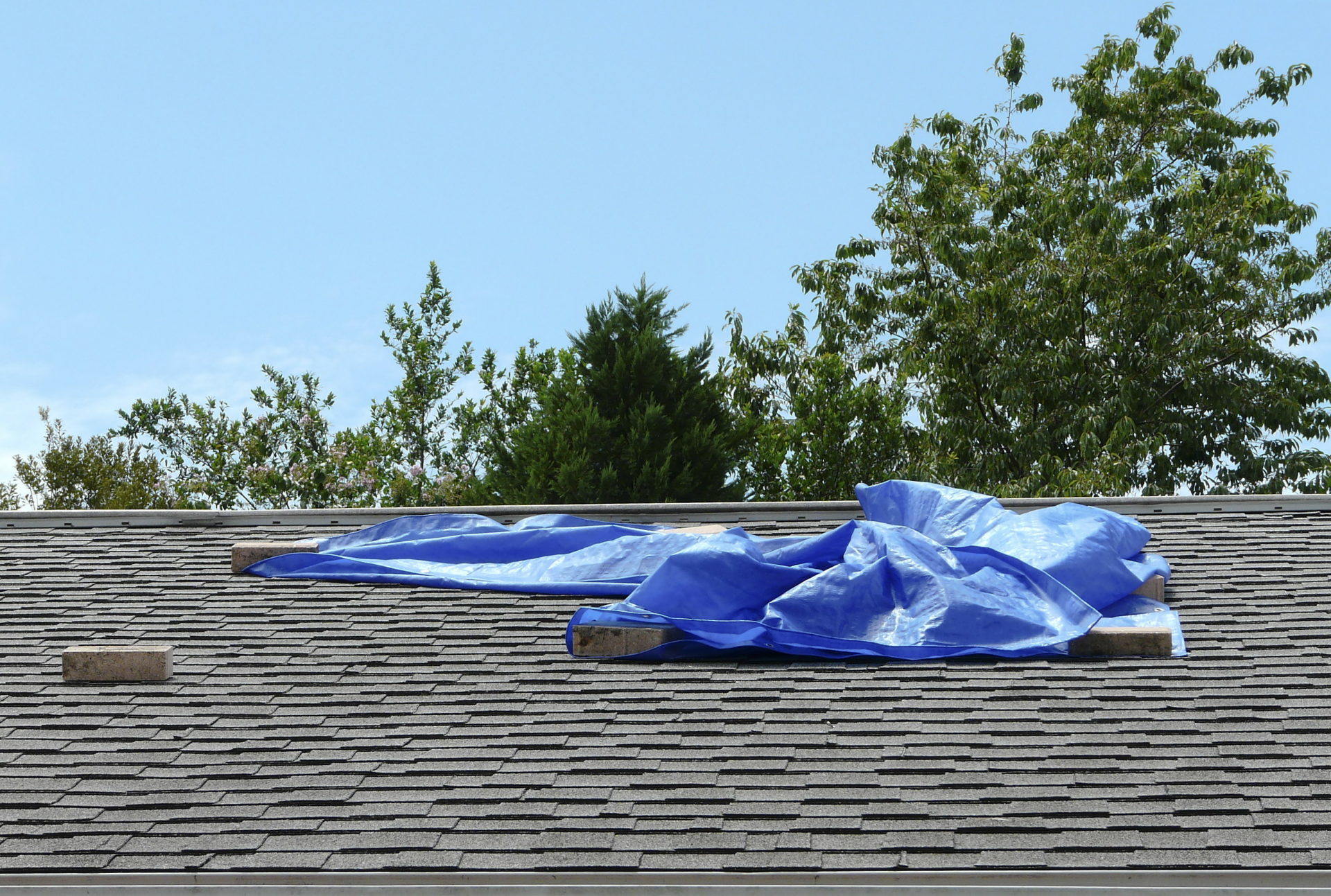
Share the leak area, building address, access, and interior impact. Start the response now.
Request emergency help
Document seams, flashings, drains, moisture clues, repair history, and visible deck concerns.
Request an inspection and report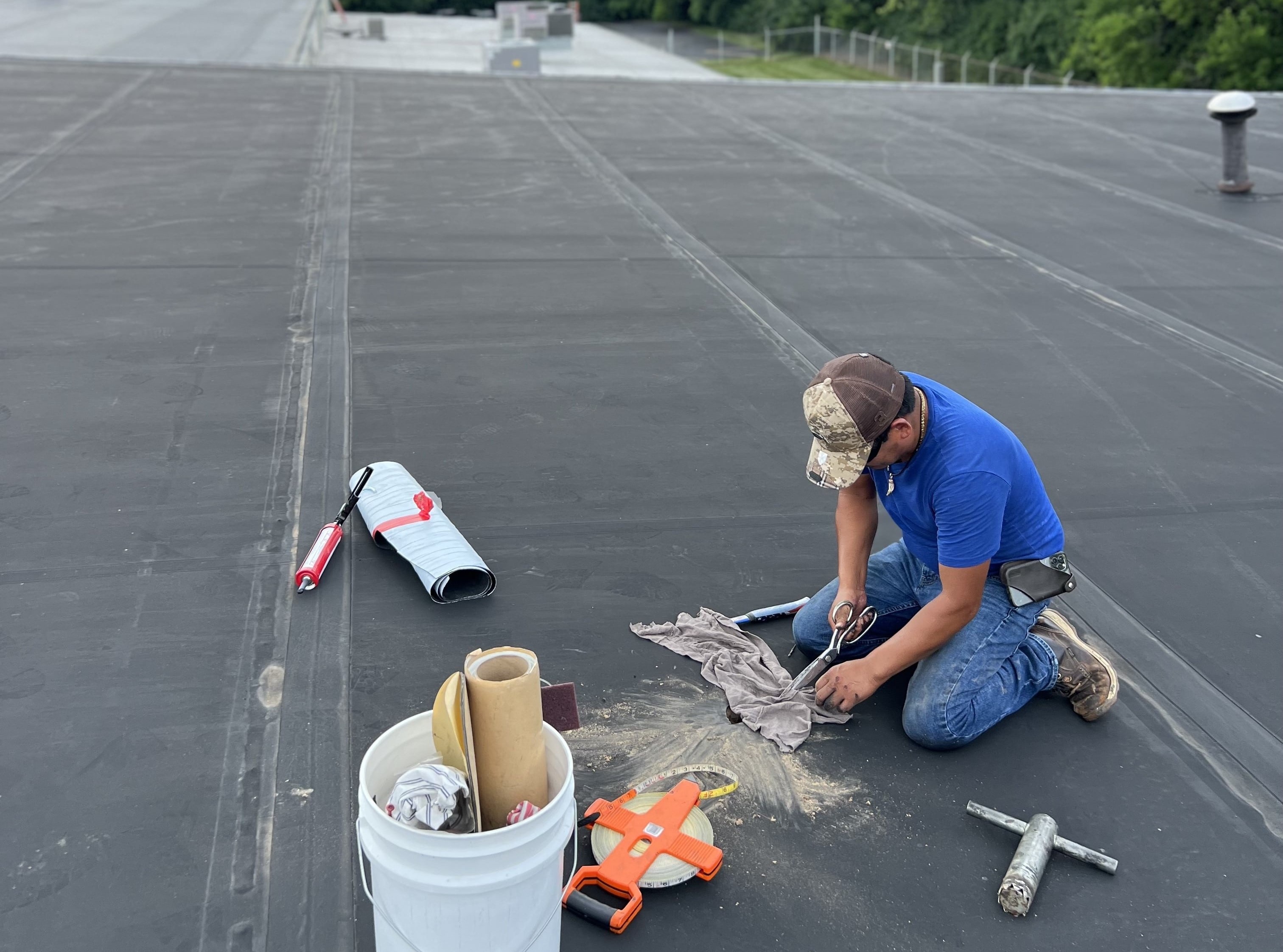
Schedule inspections, maintenance, repair records, and capital notes under one service plan.
Ask about a service agreementA flat roof replacement inspection should give the owner something usable: current condition, likely leak paths, drainage findings, repair history, moisture concerns, access limits, and a clear repair, restoration, recover, or replacement direction.
Do not let the first proposal make the decision. Compare the roof condition, moisture, drainage, attachment, warranty path, building use, and ownership timeline.
Fix the isolated failure when the surrounding membrane and assembly still have useful life.
Explore commercial roof repair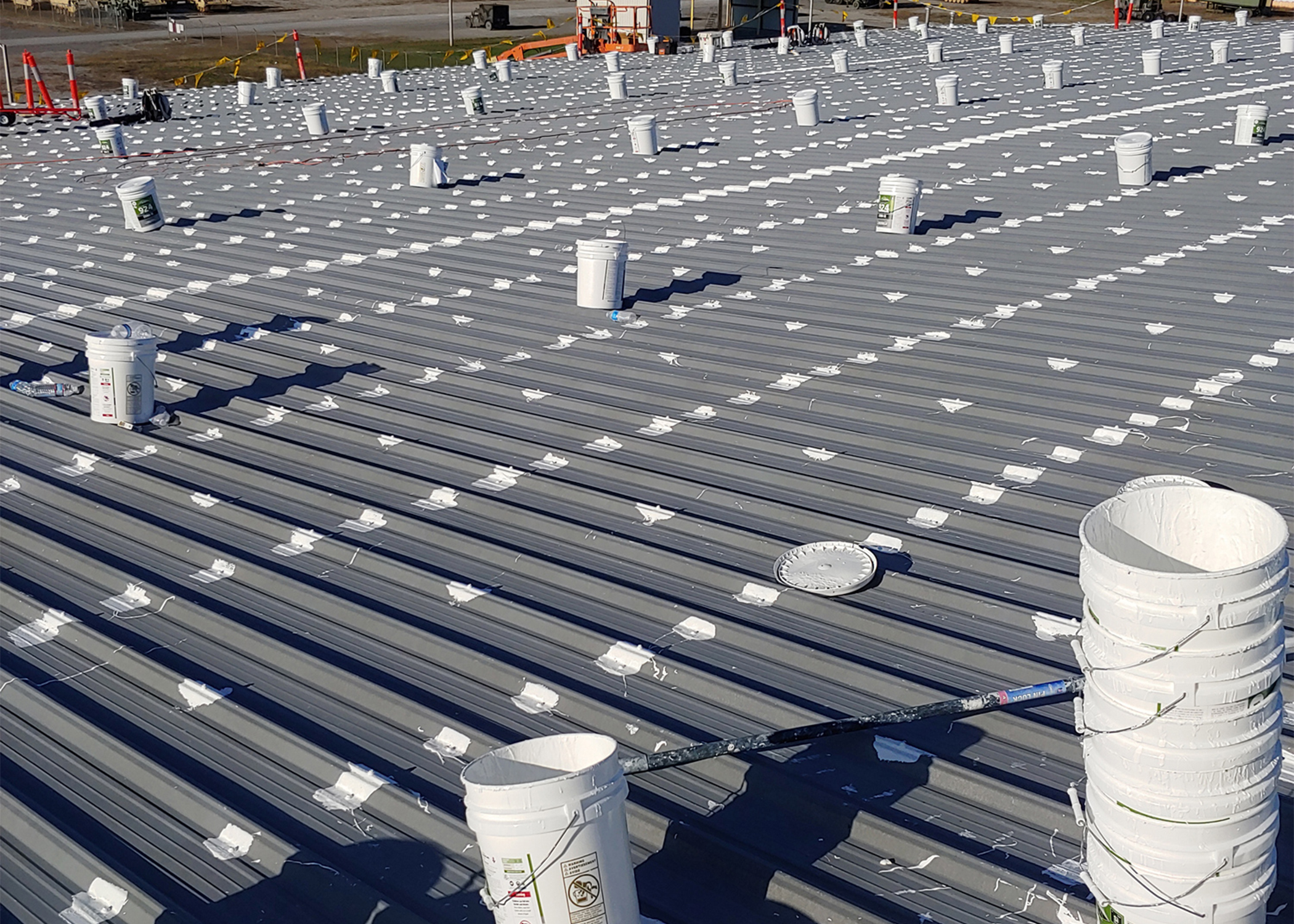
Test whether a sound existing roof can be restored after adhesion, detail, drainage, and moisture review.
Explore roof coatings
Plan insulation, drainage, attachment, edge conditions, phasing, access, and occupied-building protection.
Explore roof replacementA commercial roof service agreement can organize regular inspections, drain and detail maintenance, photo records, leak history, recommended repairs, and future capital needs. Property teams get one record instead of a pile of emergency invoices.
Downtown access, federal security, active tenants, rooftop equipment, loading limits, noise, debris control, and occupied-space protection all belong in the plan before mobilization.
Plan staging, deliveries, pedestrian protection, parking, and material movement before the crew arrives.
Set work hours, interior protection, odor controls, communication, and daily dry-in expectations.
Review drains, scuppers, overflow paths, edge conditions, and prior water movement across the roof.
Turn field conditions into repair priorities, replacement timing, and a scope owners can compare.
Send the property address and what is happening. For active water entry or storm damage, call 202-410-0335.