
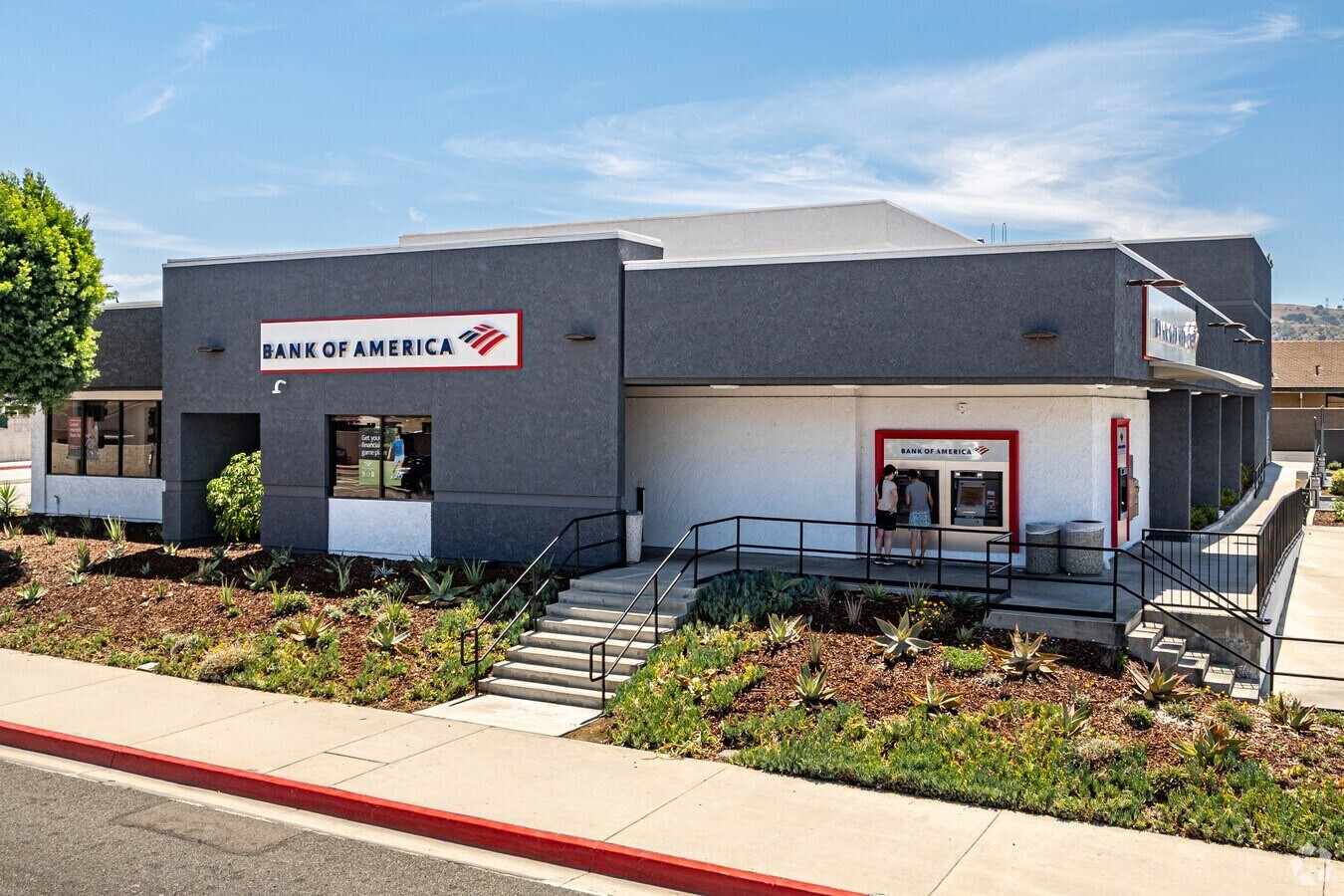
Bank & Financial Building Roofing roof planning built from the roof condition.
Roofing for branches, credit unions, and financial offices across DC, where the roofs are small and visible, the canopies leak first, and security access shapes the whole schedule.
Small roofs, high stakes underneath
Bank roofs are deceptive. A retail branch has a modest flat roof, and a quick look says it should be a simple job. But what sits beneath it changes the math entirely. Vault rooms, server closets, and customer floors mean a small leak is never just a small leak, and the building runs on a tight business-hours window with security rules that govern who gets onto the roof and when. The work itself is not large. The coordination around it is what makes financial-building roofing its own category.
Washington's financial footprint runs from the K Street corridor and the Golden Triangle, where regional banks and financial-services firms keep downtown offices, out to the neighborhood branches lining Connecticut Avenue, Wisconsin Avenue, and Georgia Avenue. Credit unions serving federal agencies and the District's universities add another layer, from headquarters buildings to small storefront branches. The roof scope ranges from a single-tenant branch to a multi-floor office with sensitive operations on every level.
The drive-through canopy is where it starts leaking
On a retail branch, the most reliable source of a chronic leak is the drive-through canopy where it meets the main building. That joint takes thermal cycling every day, a little differential settlement every year, and overspray from the lanes below, and a standard retail flashing detail will not hold it long-term. We pull the canopy-to-wall transition out of the field-membrane scope and treat it as its own item. If it is deteriorating, we rebuild it with a detail made for the movement that connection actually sees. Replacing the field membrane and ignoring the canopy joint just resets the clock on the same leak.
More penetrations than the footprint suggests
A bank building packs a surprising amount of rooftop equipment into a small area. Drive-through canopy transitions, ATM kiosk enclosures, generator transfer-switch rooms with rooftop exhaust, and precision cooling for a server or vault room each create a discrete flashing requirement. Every one of those is a potential entry point directly over the most water-sensitive parts of the building. We document each penetration and curb before pricing and detail them individually rather than running a single generic pattern across a roof that has anything but generic equipment on it.
Security access drives the schedule
Financial buildings control roof access more tightly than almost any other commercial property type. Contractor badging, escort requirements near vault-adjacent areas, and camera documentation of crew activity are standard at bank-owned properties in DC. We fold the security coordination timeline and crew credentialing into the bid schedule from the start, so it is a known part of the plan and not a surprise that slows the job and adds cost after the contract is signed. Where vault rooms sit below specific roof zones, we identify them from the drawings first and sequence work over those areas into approved windows, confirming with the security team that no active operations are disturbed by vibration or temporary access changes.
Branch hours and high visibility
Branches run business hours, often Monday through Saturday, with customers and staff in the building. We concentrate tear-off and installation into off-hours and weekends and confirm the roof is watertight before the doors open each morning. These are also some of the most visible small buildings on a commercial corridor, so the work stays clean, the staging stays orderly, and the branch keeps looking like a place people want to walk into.
Portfolio programs and single branches
Many DC financial institutions own multiple branches under a centralized real-estate group, and national programs come with preferred-vendor frameworks and standardized documentation. We work inside those structures for portfolio accounts and just as readily with a single community bank or credit union managing one property. The closeout is the same either way: insurance and license verification before mobilization, a preconstruction safety plan, daily work and dry-in reports, manufacturer warranty registration in the owner's name, and a final permit and inspection package.
What we plan before a bank reroof
- The drive-through canopy transition isolated as its own flashing scope, rebuilt for the movement it sees rather than patched.
- Vault and server zones identified from the drawings, with work over them sequenced into approved, low-disruption windows.
- Badging, escort, and crew credentialing timelines built into the bid so security access never becomes a mid-job surprise.
- Tear-off concentrated into off-hours and weekends, with the roof confirmed watertight before the branch opens.
Bank & Financial Building Roofing Questions
We concentrate active tear-off and installation into off-hours and weekends and confirm daily dry-in before the branch opens each morning. Work windows, noise limits during customer hours, and any security escort requirements for roof access are coordinated with the branch manager and corporate facilities team in advance.
As its own flashing item, separate from the field membrane. The detail where the canopy meets the building wall is evaluated on its own, and if it is failing it gets re-flashed for the differential movement that joint experiences. This is the most common chronic leak on a branch, and replacing the field membrane alone never fixes it.
Typically insurance certificates and license verification before mobilization, a preconstruction safety plan, daily work and dry-in reports, manufacturer warranty registration in the owner's name, and a final permit and inspection package. We provide the standard corporate documentation and register through each institution's vendor-management process.
Yes. We identify vault and server-room locations from the building drawings before mobilizing, sequence work over those zones into approved windows, and confirm with the security team that no active operations are affected by vibration or temporary access changes during the work.
Yes. Portfolio programs, whether a regional bank with twenty branches or a national footprint across DC, are a regular part of our work. We provide standardized scoping, documentation, and pricing across the portfolio with a single project-management contact for the corporate facilities team.
- Fast Food Qsr Roofing
- Cold Storage Roofing
- K12 School Roofing
- Data Center Roofing
- Pharmaceutical Lab Roofing
- Energy Efficient Cool Roof Installation
- Mixed Use Roofing
- Metal R Panel Roofing