
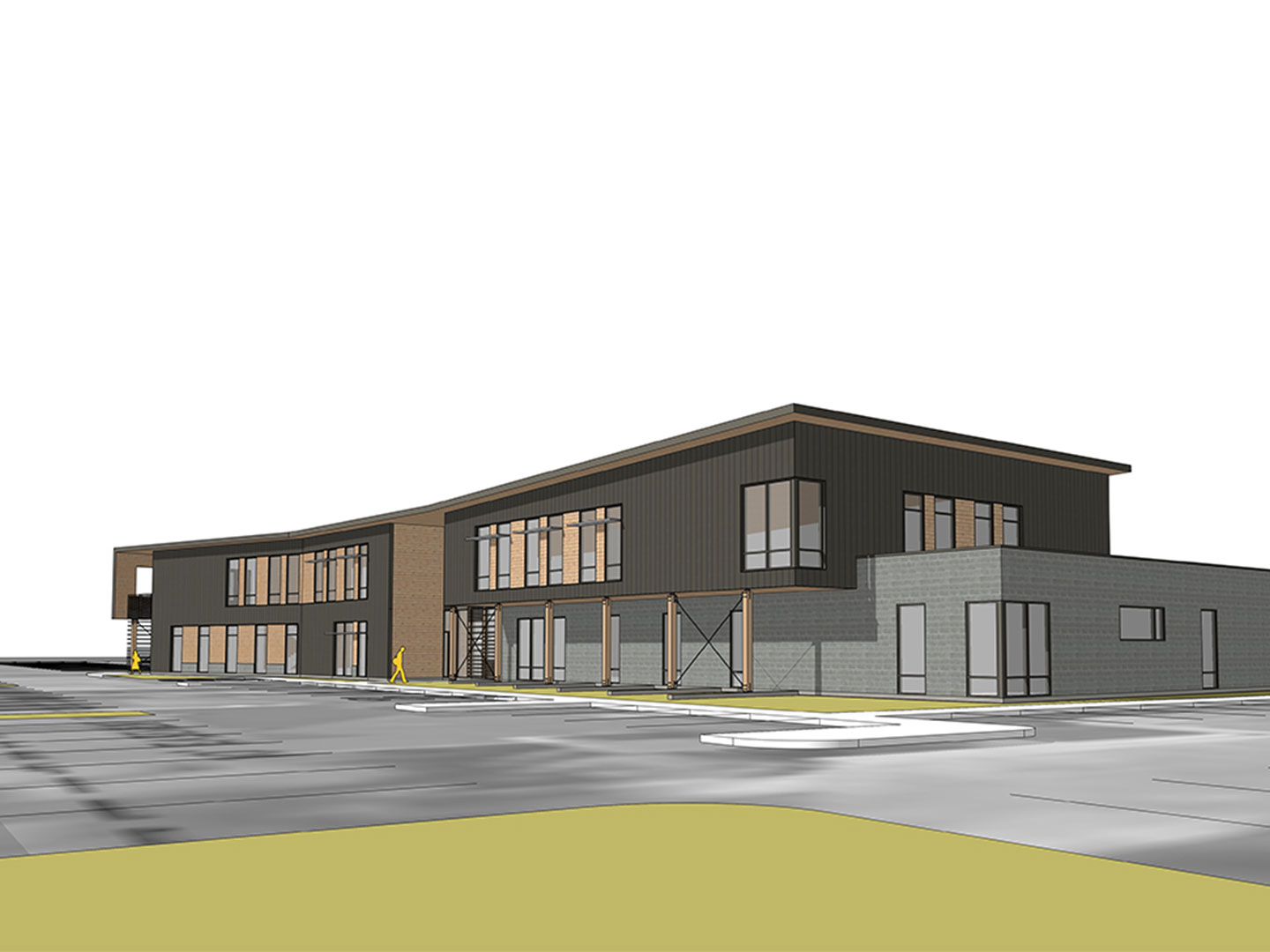
Healthcare Facility Roofing roof planning built from the roof condition.
Commercial roof scope, documentation, access planning, and weather-aware scheduling for acrylic roof coatings.
Washington, DC's healthcare landscape is one of the most concentrated and regulated in the country. Between the campuses of MedStar Washington Hospital Center, Howard University Hospital, and the sprawling George Washington University Medical Faculty Associates complex along 23rd Street NW, the region houses hundreds of thousands of square feet of roofing that cannot fail under any circumstance. Commercial roofing for healthcare facilities in the District demands a fundamentally different discipline than roofing office towers or retail centers — one where every penetration, every membrane joint, and every drain basin is engineered to prevent moisture intrusion into spaces where patients are immunocompromised, where surgical instruments must remain sterile, and where a single ceiling leak above an ICU or clean room can trigger costly remediation and patient transfers.
The District's weather creates compounding stress on healthcare rooftops. Humid Chesapeake summers drive intense afternoon thunderstorms that dump inches of rain in under an hour, overtaxing roof drainage if gutters and internal drains are not continuously maintained. The freeze-thaw cycles of DC winters — where temperatures often hover near freezing for days before dipping sharply — cause ponded water to expand within membrane seams and around curb flashings. Hospitals on the Capitol Hill corridor, including the MedStar campus on Irving Street NE, deal with older roof infrastructure that dates back to mid-century construction, making proactive replacement planning essential before deterioration reaches interior spaces.
Medical gas penetrations represent one of the most critical roofing considerations in any hospital or surgical center. Oxygen, nitrous oxide, and vacuum lines must pass through the roof deck in dozens of locations, and each penetration is a potential failure point if the surrounding flashing is not sealed with the correct materials and maintained on a documented schedule. At facilities affiliated with the National Institutes of Health corridors in and around Bethesda and the DC border, contractors must coordinate penetration work with facility engineering teams to avoid disrupting active gas delivery systems — a constraint that requires planning precision and crews experienced in healthcare environments.
HVAC load on healthcare rooftops in Washington exceeds almost any other building type. Hospitals run air handling units continuously, with redundant systems that must never be taken offline simultaneously. The weight distribution of rooftop mechanical equipment on older structures near the Pennsylvania Avenue corridor can stress roof decking if membrane replacement is not sequenced carefully. Our teams coordinate directly with hospital facilities directors to map equipment locations, weight loads, and active service clearances before any tear-off begins, ensuring structural integrity is maintained throughout the project.
Infection prevention during roofing projects is not optional at DC healthcare facilities — it is a condition of the project contract and often a requirement of The Joint Commission accreditation standards. Dust generated during tear-off of old membrane and insulation carries particulate matter that can infiltrate HVAC intakes if the work is not properly isolated. We erect negative-pressure barriers at all HVAC intake zones and schedule demolition phases during off-peak patient census periods whenever permitted by the facility's operational calendar. Documentation of infection control procedures is provided to facility compliance officers upon project completion.
Assisted living and memory care facilities in the DC metro — including those clustered in the upper Northwest neighborhoods and near the Maryland border in Chevy Chase and Takoma Park — face roofing challenges distinct from acute care hospitals. These buildings prioritize resident comfort and safety, meaning reroofing must proceed with minimal noise intrusion and zero risk of ceiling disruption above occupied living spaces. Phased project planning, often working one roof section per week, allows residents to remain in place while work advances systematically across the building envelope.
The federal regulatory environment adds layers of oversight unique to DC healthcare roofing. Facilities within the Capitol complex or those receiving federal funding through CMS and VA programs are often subject to procurement rules that require detailed material specifications, third-party inspections, and extended warranty documentation. We maintain current familiarity with GSA and VA roofing specifications and can provide the documentation packages required for federal compliance audits. Projects near the Walter Reed National Military Medical Center corridor in Bethesda fall under particularly detailed oversight, and our project teams are structured accordingly.
Preventive maintenance programs for DC hospital systems pay dividends that far exceed their cost. A biannual inspection protocol — conducted each spring after freeze-thaw stress and each fall before the wet season — catches compromised seams, blocked drainage outlets, and failing flashings before they become interior events. MedStar, Inova, and Children's National all maintain active preventive maintenance contracts with roofing firms that understand the stakes involved in healthcare environments. We offer maintenance programs that include written reports, photographic documentation, and priority emergency response windows for enrolled facilities.
When a roofing failure does occur at a Washington healthcare facility, the response timeline is compressed relative to any other commercial building type. A leak above a sterile processing department or a surgical suite requires same-day emergency containment, coordination with the facility's infection control officer, and a documented repair sequence that can be presented to accreditation reviewers. Our emergency response teams operate around the clock and carry the materials and credentials needed to access restricted clinical areas without triggering a security or compliance incident. DC's dense urban geography means our crews can reach any facility within the Beltway within the hour, minimizing the window between failure identification and active containment.
- Commercial Roof Tear Off Replacement
- Insurance Claim Coordination
- School Roofing
- University Campus Roofing
- TPO Single Ply Roofing
- Commercial Roof Leak Repair
- Church Roofing
- Humidity Damage Roof Repair