
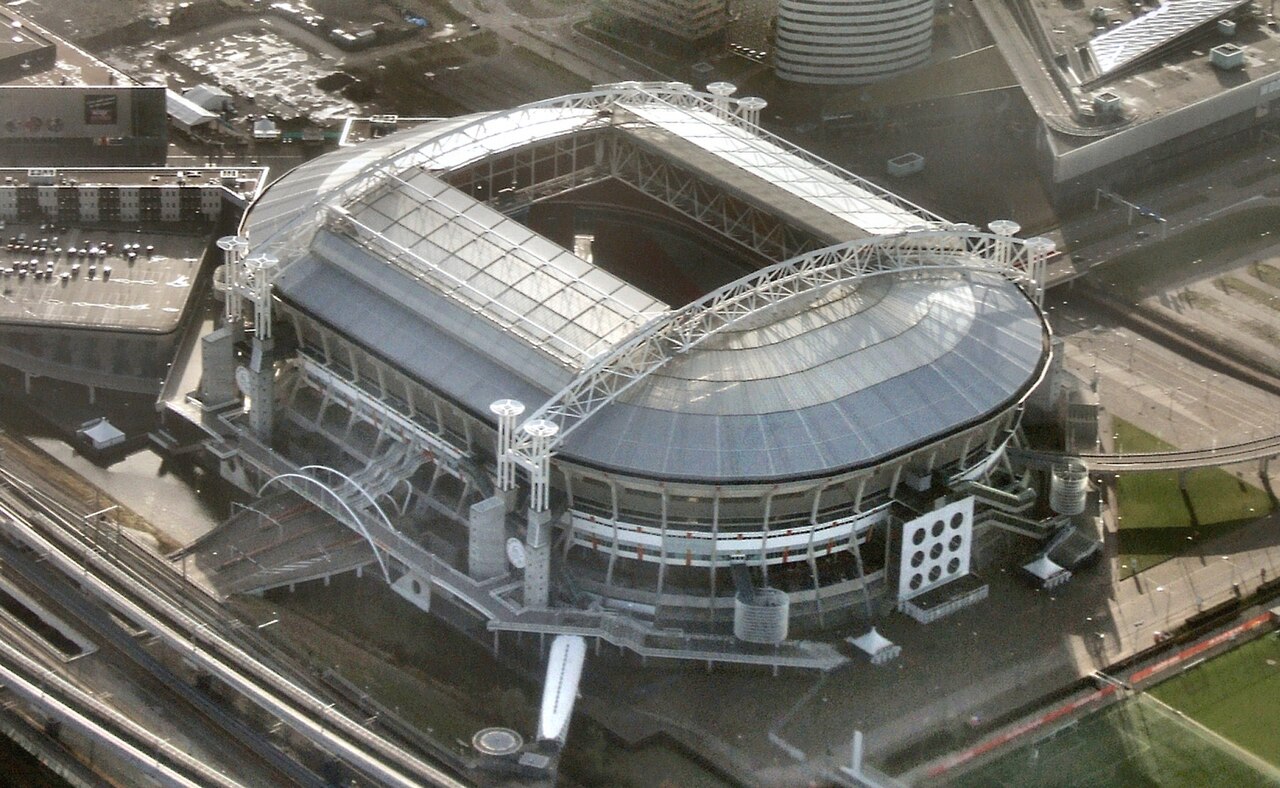
Stadium & Arena Roofing roof planning built from the roof condition.
Commercial roofing for stadium & arena roofing in Washington, DC — specifications, scheduling, and project coordination for this building type.
Stadium and arena roofing in Washington is a specialty, and the qualification gap between a contractor who says they do large commercial roofing and one who has actually managed event-calendar phasing, long-span structural engineering, security credentialing, and occupied-facility protocols on a venue of comparable scale is not visible in a bid document. It shows up in references — and it shows up in how the first pre-construction meeting goes. Ask your bidders for the last three stadium or arena projects they completed. Ask for the name of the facility manager. Then call that person.
The pre-construction process for a qualified stadium roofing contractor in Washington looks different from a standard commercial project. A legitimate stadium contractor conducts a pre-bid walkover with the facility's structural engineer present, reviews the booking calendar before submitting a schedule, identifies every life-safety system interface on the roof plan, and submits a security credentialing lead time as part of the proposal. If a bidder gives you a proposal without addressing any of these items, they haven't done this work before — or they skipped the pre-bid walkover and are bidding from memory.
Stadium & Arena Roofing — Contractor Selection Questions
Require references from the last three stadium, arena, or large assembly-occupancy venue re-roofing projects the contractor completed — specifically naming the facility, the facility manager or director of operations, and the contact phone number. Call the reference directly and ask specifically: did the contractor meet every event-protection milestone, did any event date get affected by the roofing work, and would you hire this contractor again. Those three questions will tell you what you need to know.
A qualified stadium roofing proposal should include: an event-calendar-based phase schedule with named event-protection milestones, a structural deck assessment confirming deck type and pull-out test results, manufacturer certification documentation for the proposed system, a security credentialing lead time and procedure, a life-safety system interface plan identifying all systems affected and how they'll be managed, and a certificate of insurance showing the required limits with the venue entities named as additional insureds. If a proposal doesn't include these items, it's a standard commercial proposal — not a stadium proposal.
Every major membrane manufacturer maintains a contractor certification database accessible on their website or by calling their commercial roofing division. Verify the certification directly — don't rely on the contractor's claim in a proposal document. Confirm that the certification is current (not expired), covers the specific product system being proposed, and includes the certification level required for NDL warranty on large assembly-occupancy buildings (some manufacturers have tiered certification levels with different warranty eligibility).
Any roofing project on an assembly-occupancy building that holds more than 500 people warrants stadium-specialist qualification requirements. Below 500-occupancy assembly buildings — smaller performing arts venues, school gymnasiums, community auditoriums — can be approached as standard commercial work with attention to scheduling and life-safety interfaces. Above 500 occupancy, the security, scheduling, structural, and insurance complexity justifies requiring verifiable large-venue experience.
- Hospital Surgery Center Roofing
- Office Complex Roofing
- Bank Financial Building Roofing
- Automotive Manufacturing Roofing
- Veterinary Clinic Roofing
- Government Building Roofing
- Spray Foam Roofing
- Edge Metal Coping Gutters