
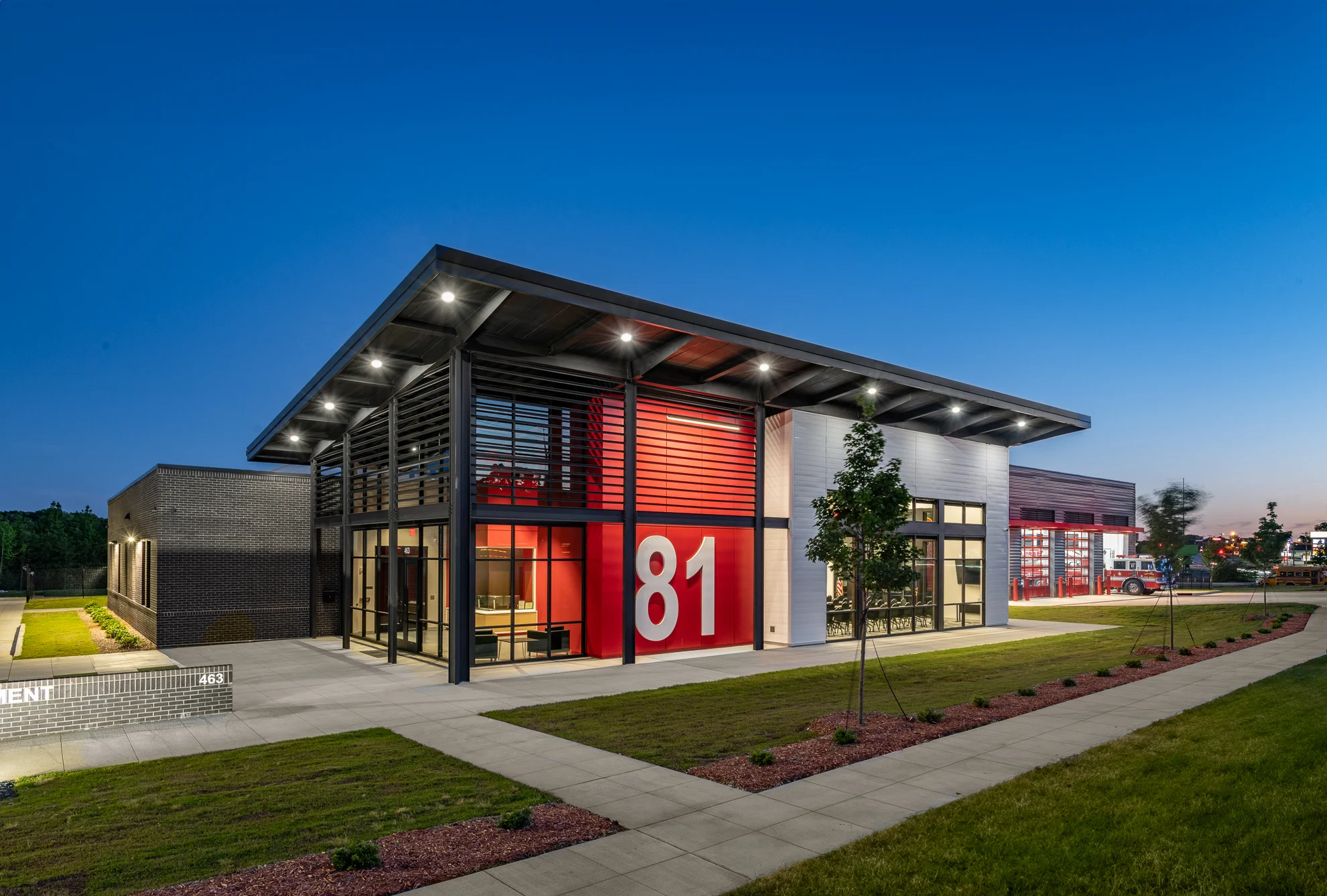
Fire Station & Emergency Services Facility Roofing roof planning built from the roof condition.
Commercial roofing for fire station & emergency services facility roofing in Washington, DC — specifications, scheduling, and project coordination for this building type.
The capital planning framework for fire station roofing in Washington sits within the fire department's facilities capital improvement program — typically a 5-year CIP budget that competes with apparatus replacement, technology upgrades, and new station construction for a fixed annual allocation. A fire station roof that fails between CIP budget cycles creates an emergency capital expenditure that disrupts the planned program. Proactive condition assessment and CIP budget inclusion for station roofing keeps emergency expenditures out of the program and allows planned procurement — which almost always costs less than emergency procurement.
Multi-station fire districts in Washington benefit from a portfolio condition assessment that allows the CIP program to prioritize roofing replacement across all stations by condition rather than by complaint. A station that's been leaking intermittently but never loudly enough to generate a work order may have more urgent roofing needs than a station that submitted a recent non-emergency repair request. Annual condition assessments across the district's station inventory give the facilities team the data to make defensible prioritization decisions in the CIP process.
Insurance recovery for fire station roofing damage in Washington follows the same property insurance framework as other public facility damage — but the claims process for public facilities often involves an additional layer of documentation for the insurance carrier's public building specialist. Hail damage, wind damage, or storm-related roofing failure at a fire station requires the same GPS-tagged documentation and carrier-formatted damage assessment as any commercial property claim. We prepare insurance documentation for fire station storm damage claims in the format required by the major commercial property insurers that carry public safety facility policies.
Fire Station Roofing — Capital Planning Questions
We provide condition assessment reports formatted for CIP budget inclusion: a current condition score (1-5), estimated remaining service life, projected replacement year, and projected replacement cost with an inflation adjustment factor for out-year budgeting. The report format matches what Washington's budget office requires for CIP project justification. For multi-station districts, we assess all stations in a single mobilization and deliver a portfolio CIP summary that the fire chief and facilities director can use as a budget justification document.
Fire station re-roofing costs vary by building configuration — a single-bay neighborhood station differs significantly from a multi-bay headquarters facility. Typical cost ranges: single-bay station (2,500-5,000 SF): $45,000-90,000; multi-bay station (6,000-12,000 SF): $110,000-250,000; historic firehouse with architectural roofing restoration: add 30-60% to standard rates depending on original material specification. These ranges assume standard commercial membrane re-roofing; historic restoration costs are project-specific. We provide preliminary cost estimates for CIP budget purposes at no charge for fire district facilities teams planning their capital programs.
Yes — multi-year phasing is common for larger station roofing projects. A typical phasing approach: Year 1 covers the apparatus bay and training areas (highest structural complexity, highest operational impact); Year 2 covers crew quarters and administrative areas (lower complexity, standard commercial scheduling). Each phase is designed to achieve a complete, warranted subsystem — not a partial installation that leaves the building with an unwarranted transition zone between years.
We conduct a post-storm assessment within 48 hours of the weather event: GPS-tagged photography of all damage, hail impact density mapping, wind displacement documentation, and a written assessment formatted for the fire district's commercial property insurer. The assessment documents the storm date, the specific damage observed, and the cause of loss attribution (storm vs. pre-existing condition vs. maintenance deficiency). The documentation package is delivered to the fire district's risk manager in the format required for the specific carrier — we're familiar with the major carriers for public safety facility policies in DC.
- Self Storage Facility Roofing
- Movie Theater Roofing
- Sports Recreation Facility Roofing
- Brewery Distillery Roofing
- Cold Storage Roofing
- Humidity Damage Roof Repair
- Roof Recover Overlay
- Church Roofing